
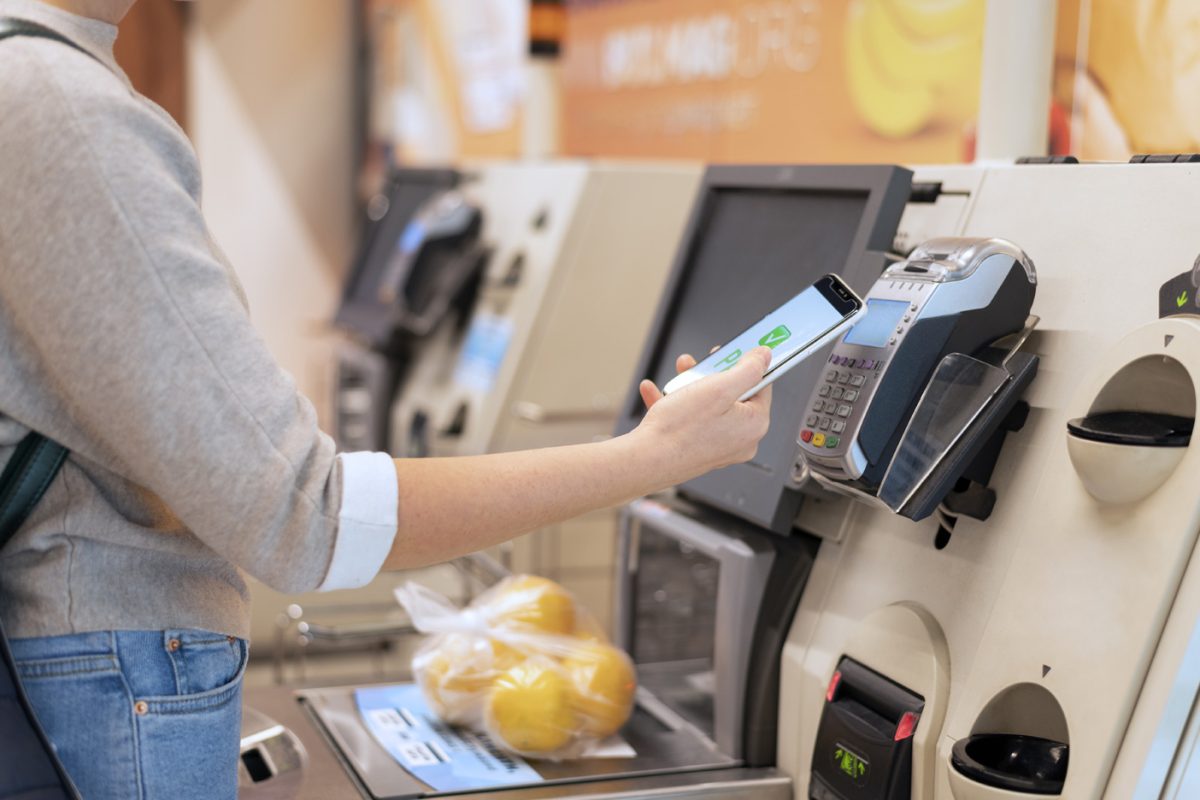
The checkout experience can make or break a customer’s entire shopping journey. Over the past few years, retailers have been asking themselves one critical question: Should we invest in self-checkout technology or stick with traditional staffed checkouts? The answer isn’t black and white, but understanding the differences between these two approaches will help you make the right decision for your business.
The Rise of Self-Checkout Technology
Self-checkout systems have exploded in popularity since the early 2000s. What started as a novelty in supermarkets has now become a standard feature in retail stores, fast-casual restaurants, and even some grocery chains worldwide. According to recent industry reports, the global self-checkout market is expected to reach over $10 billion by 2030.
But here’s the thing, self-checkout isn’t a one-size-fits-all solution. Some retailers have embraced it wholeheartedly, while others have pulled back due to concerns about theft and customer satisfaction. Understanding both the strengths and weaknesses of self-checkout versus traditional checkout will help you decide what makes sense for your business.
What Is Self-Checkout, and How Does It Work?
Self-checkout systems allow customers to scan items, process payments, and complete their purchase without assistance from a cashier. Modern self-checkout solutions like LithosPOS Self-Checkout use advanced technology, including barcode scanning, touchscreen interfaces, weight sensors, age verification, and integrated payment processing.
LithosPOS Self-Checkout offers features specifically designed to create a frictionless checkout experience:
- Intuitive Touchscreen Interface: Customers can easily navigate through the checkout process with clear prompts and instructions
- Fast Payment Processing: Multiple payment methods including cards, mobile payments, and digital wallets
- Real-Time Inventory Integration: Tracks sales data as items are scanned, updating inventory automatically
- Age-Restricted Item Detection: Automatic verification for items like alcohol and age-gated products
- Receipt Options: Digital or printed receipts based on customer preference
- Multi-Language Support: Accommodates diverse customer bases
- Analytics and Reporting: Detailed insights into transaction patterns and peak times
These features work together to create a more independent shopping experience while maintaining security and accuracy.
Understanding Traditional Checkout
Traditional checkout is the classic model we’ve all experienced: customers line up with their items, a cashier scans everything, the customer pays, and they leave. It’s straightforward, personal, and has been the retail standard for decades. Traditional checkout still has several advantages that keep it relevant:
- Personal Interaction: Cashiers can provide customer service, answer questions, and offer product recommendations
- Accessibility: It’s easier for elderly customers, those unfamiliar with technology, or people with disabilities
- Handling Complex Transactions: Returns, refunds, and special requests are easier with a trained employee
- Building Customer Relationships: Regular customers appreciate familiar faces and personal connections
- Premium Service Feel: Some retailers use checkout as an opportunity to deliver exceptional service
For many years, traditional checkout was simply the way retail worked. And in many settings, it still works beautifully.
Self-Checkout vs Traditional Checkout: A Detailed Comparison
1. Speed and Efficiency
- Self-Checkout: Self-checkout is often faster for customers purchasing small quantities of items. There’s no waiting in line, and customers move at their own pace. However, unexpected item issues (like age verification for alcohol or weight sensor problems) can slow things down.
- Traditional Checkout: For large basket sizes, traditional checkout can actually be faster since a trained cashier scans items at a consistent, quick pace. But during peak hours, customers face waiting times in checkout lines, which is one of the biggest pain points in retail.
- Winner: Self-checkout for small purchases and off-peak hours; traditional checkout for large baskets and trained efficiency.
2. Customer Satisfaction
- Self-Checkout: Satisfaction varies widely. Customers who are tech-savvy and buying just a few items love it. But frustration sets in quickly when the weight sensor malfunctions, items require age verification, the interface isn’t intuitive, or technical glitches occur. Modern solutions like LithosPOS Self-Checkout address many of these issues with user-friendly interfaces and quick staff assistance buttons.
- Traditional Checkout: Customer satisfaction tends to be higher when cashiers are friendly and knowledgeable, wait times are minimal, the cashier remembers regular customers, and there’s genuine customer service. The downside? Long lines during busy periods kill satisfaction scores.
- Winner: Traditional checkout for overall satisfaction, but modern self-checkout systems are closing the gap.
3. Cost Considerations
- Self-Checkout: Initial investment is significant; self-checkout kiosks can be costly depending on features and capabilities. Installation and maintenance add ongoing costs. However, you reduce labor costs since fewer cashiers are needed.
- Traditional Checkout: Lower upfront costs for the checkout counter itself, but labor costs are your biggest expense. A full-time cashier earning $15/hour with benefits costs roughly $30,000-$40,000 annually. A store might need 5-10 cashiers, depending on size and hours.
- Winner: For high-volume stores, self-checkout wins on long-term cost savings. For small shops with low transaction volumes, traditional checkout is more cost-effective.
4. Theft and Shrinkage
- Self-Checkout: This is where self-checkout faces serious challenges. Studies show that shrinkage (loss from theft or mistakes) at self-checkout is often higher than traditional checkouts. Customers accidentally miss scanning items, and some deliberately bypass scanning. The LithosPOS Self-Checkout system addresses this with weight sensors and AI-powered item detection, but the issue persists across the industry.
- Traditional Checkout: Trained cashiers catch mistakes and suspicious behavior naturally. Shrinkage is lower because there’s immediate accountability.
- Winner: Traditional checkout for loss prevention, though modern self-checkout systems are improving.
5. Customer Demographics and Accessibility
- Self-Checkout: Works best for tech-savvy customers, people buying small quantities, customers in a hurry, and younger demographics. Doesn’t work well for elderly customers unfamiliar with technology, people with disabilities, non-English speakers, or those buying large quantities.
- Traditional Checkout: Accessible for virtually everyone. Cashiers can slow down, explain steps, and accommodate different needs.
- Winner: Traditional checkout for accessibility and inclusivity.
6. Upselling and Customer Engagement
- Self-Checkout: There’s a limited opportunity for upselling or customer engagement, as customers typically scan items and complete their purchase quickly. However, LithosPOS addresses this by offering intelligent product suggestions and frequently bought together recommendations, helping businesses drive upsells seamlessly during the billing process.
- Traditional Checkout: Skilled cashiers can recommend complementary products, mention promotions, or suggest seasonal items.
- Winner: Traditional checkout for relationship-building and upselling. LithosPOS addresses this by offering intelligent suggestions and frequently bought together recommendations.
7. Labor and Staffing
- Self-Checkout: Reduces the number of cashiers needed. However, you still need staff to monitor kiosks, assist customers, verify ages, and handle exceptions.
- Traditional Checkout: Requires consistent staffing and creates scheduled employment.
- Winner: Self-checkout for reducing staffing during labor shortages; traditional checkout for providing jobs.
The Real-World Trade-Offs
Here’s what most successful retailers have learned: it’s not about choosing one or the other, it’s about finding the right mix for your business. Grocery stores and supermarkets typically use 70-80% self-checkout and 20-30% traditional checkout. Quick-service restaurants lean heavily on self-ordering kiosks and self-checkout. Luxury retail stores often skip self-checkout entirely, preferring high-touch customer service. Small independent retailers typically stick with traditional checkout because the investment doesn’t pay off with their transaction volumes.
What Does the Future Look Like?
Self-checkout technology is improving rapidly. AI-powered item recognition is becoming more accurate. Biometric payments and mobile integration are making the process faster. Voice-activated checkouts are emerging. Modern platforms like LithosPOS Self-Checkout are continuously updating to address customer pain points. At the same time, some retailers are pulling back from pure self-checkout, recognizing that human interaction still matters, especially as a competitive advantage in an increasingly digital world.
Making the Right Choice for Your Business
Choose self-checkout if you have:
- High transaction volume with small basket sizes
- Young, tech-savvy customer base
- Significant labor costs or labor shortages
- Multiple locations where standardization matters
- Budget for initial investment and ongoing maintenance
- Ability to monitor kiosks and prevent theft
Stick with traditional checkout if you have:
- Low transaction volume
- Large average basket sizes
- Older customer demographic
- Limited budget for new technology
- Strong emphasis on customer service and relationships •
- Complex transactions (returns, special orders)
- Need for high accessibility and inclusivity
Use a hybrid approach if you have:
- Medium to high transaction volume
- Mixed customer demographics
- Budget for both solutions
- Ability to staff and maintain both systems
- Desire to accommodate different customer preferences
Implementing Self-Checkout Successfully
If you decide self-checkout is right for your business, here’s what success looks like:
1. Choose the right platform: LithosPOS Self-Checkout is designed specifically for retail and food service businesses.
2. Train staff properly: Your monitoring staff needs to be customer-service oriented.
3. Monitor and adjust: Track shrinkage data, customer satisfaction scores, and transaction times.
4. Communicate clearly: Let customers know where self-checkout is available and how to use it.
5. Maintain the technology: Regular software updates and hardware maintenance are critical.
The Bottom Line
Self-checkout and traditional checkout aren’t competitors; they’re different tools for different situations. The best retail experiences offer customers choice and flexibility. Technology like LithosPOS Self-Checkout has made self-service faster, more reliable, and more customer-friendly than ever before. But it works best alongside traditional checkout, not as a replacement for it.
The future of retail checkout isn’t about picking a winner. It’s about understanding your customers, your business model, and your capabilities, and choosing the approach that best serves them. Your customers are already voting with their feet. Watch where they go, listen to their feedback, and be willing to adapt. That’s the real secret to checkout success.
Ready to explore self-checkout for your business?
If you’re considering implementing self-checkout in your retail or food service operation, LithosPOS Self-Checkout offers advanced features designed specifically for modern retailers. Learn more about features like real-time inventory integration, age verification, payment processing, and detailed analytics by visiting LithosPOS Self-Checkout. Whether you choose self-checkout, traditional checkout, or a hybrid approach, the goal is the same: making your customers’ experience faster, easier, and more enjoyable.