
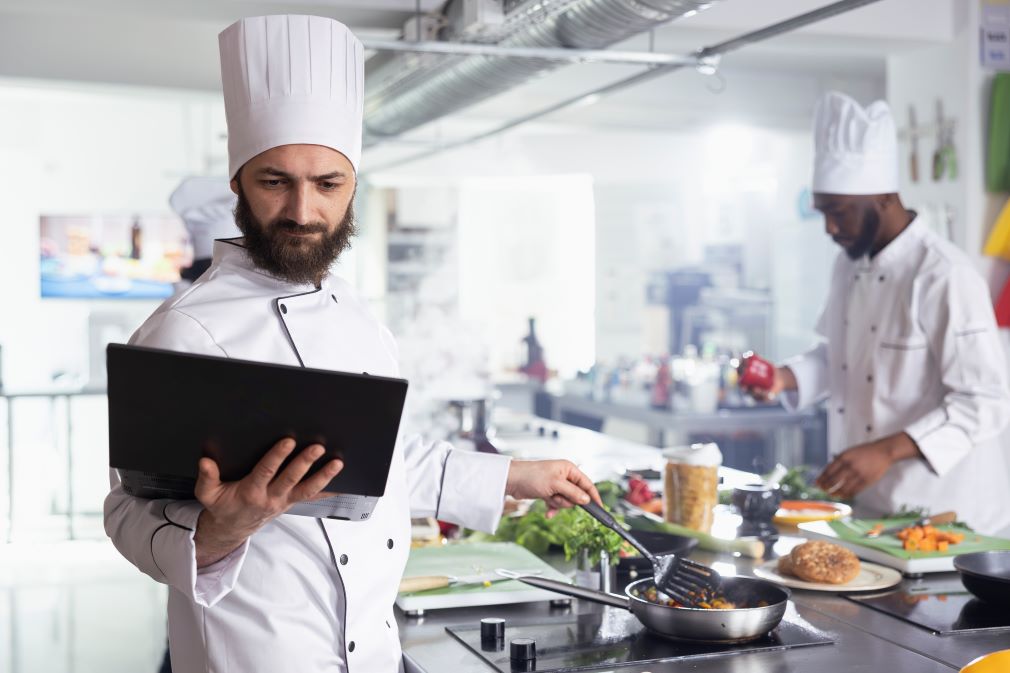
The cloud kitchen industry has grown rapidly over the past few years. With lower setup costs and the rising demand for online food delivery, many entrepreneurs are launching delivery-only restaurants. However, running a successful cloud kitchen requires more than just great food and delivery partners. Behind every efficient operation is strong technology, especially a reliable POS software.
Without the right POS solution, cloud kitchens often face operational challenges that can slow down growth, create confusion, and impact customer satisfaction. Many businesses underestimate the importance of a smart POS platform until problems begin to appear.
Here are five costly mistakes cloud kitchens make when they operate without the right POS software like LithosPOS.
1. Struggling to Manage High Order Volumes
Cloud kitchens often receive orders from multiple online channels at the same time. During peak hours, managing these orders manually or through disconnected systems can quickly become overwhelming.
Without a proper POS platform, staff may need to switch between different dashboards or devices to track incoming orders. This increases the chances of missed orders, delays, and confusion in the kitchen.
A modern POS solution centralizes all orders in one place, allowing kitchen teams to manage incoming requests smoothly. This improves workflow, reduces stress during rush hours, and ensures every order is processed correctly.
2. Frequent Order Errors and Customer Complaints
Accuracy is critical in the food delivery business. If customers receive the wrong item or a missing order component, it can lead to negative reviews and loss of trust.
Cloud kitchens that rely on manual order handling are more likely to experience errors. Staff may misread orders, forget modifications, or enter incorrect details.
POS software helps eliminate these issues by displaying orders clearly and sending them directly to the kitchen workflow. Some solutions also integrate with kitchen display systems, ensuring chefs see exactly what needs to be prepared.
This structured approach helps reduce mistakes and improve overall order accuracy, leading to better customer experiences.
3. Poor Inventory Management
Inventory management is one of the most overlooked areas in cloud kitchen operations. When stock levels are not tracked properly, businesses may run out of ingredients unexpectedly or overstock items that expire quickly.
Without a POS platform tracking ingredient usage and sales patterns, managers often rely on guesswork when planning purchases.
Smart POS solutions automatically track product sales and update inventory levels in real time. This helps cloud kitchens maintain the right balance of stock, reduce food wastage, and make informed purchasing decisions.
Better inventory visibility also ensures that menu items remain available for customers, preventing lost sales.
4. Lack of Data for Business Decisions
Many cloud kitchens operate without clear insights into their performance. Owners may know how many orders they receive daily, but they often lack deeper data about sales trends, popular menu items, or peak ordering times.
Without analytics, it becomes difficult to make strategic decisions that drive growth.
POS software collects and organizes business data automatically. It allows operators to track metrics such as top-selling items, revenue patterns, and order trends.
These insights help cloud kitchen owners adjust menus, optimize pricing strategies, and plan marketing campaigns based on real data rather than assumptions.
In a competitive market, data-driven decisions can make a major difference.
5. Difficulty Scaling the Business
One of the biggest advantages of the cloud kitchen model is scalability. Many businesses start with one brand and later expand to multiple virtual brands or additional locations.
However, scaling operations becomes difficult when the technology infrastructure is not built for growth.
Without the right POS platform, managing multiple brands, menus, or locations can become complicated. Business owners may struggle to monitor performance across different operations or maintain consistency.
A modern POS solution provides centralized control over multiple brands and outlets. It allows operators to manage menus, track sales, and monitor operations from a single dashboard.
This flexibility makes expansion smoother and helps cloud kitchens grow without losing operational control.
Why the Right POS Software Matters for Cloud Kitchens
Cloud kitchens rely heavily on speed, accuracy, and efficiency. Unlike traditional restaurants, they operate in a digital-first environment where every order flows through online platforms.
A powerful POS solution acts as the backbone of the entire operation. It connects orders, inventory, kitchen workflows, and sales data into one organized system.
By adopting a POS software like LithosPOS, cloud kitchen operators can simplify daily operations, reduce errors, improve order management, and make better business decisions.
Final Thoughts
The success of a cloud kitchen depends not only on food quality but also on how efficiently operations are managed. Businesses that rely on outdated systems or manual processes often face operational bottlenecks that slow their growth.
Avoiding these common mistakes starts with investing in the right technology.
With a reliable POS platform in place, cloud kitchens can streamline operations, enhance customer satisfaction, and scale confidently in an increasingly competitive food delivery market.
As the cloud kitchen industry continues to evolve, technology will remain the key factor separating struggling operations from highly successful ones.